Image Gallery
Live-cell, confocal, and electron microscopy from the assays on this page, in one place. Filter by topic, swipe or use the arrow keys, and open any image full screen.
I design and execute a broad range of cellular assays — from live-cell imaging and receptor-ligand binding to flow cytometry and immune-target co-cultures — to uncover disease mechanisms and generate decision-enabling datasets for preclinical programs.
Live-cell, confocal, and electron microscopy from the assays on this page, in one place. Filter by topic, swipe or use the arrow keys, and open any image full screen.
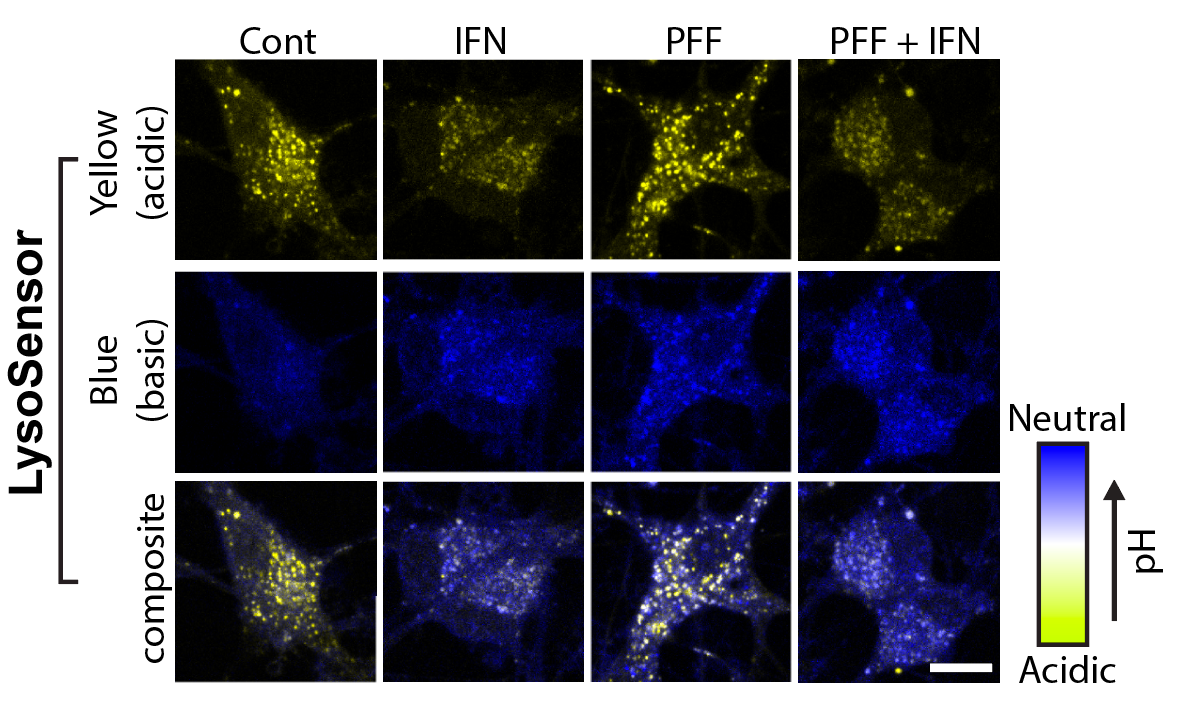
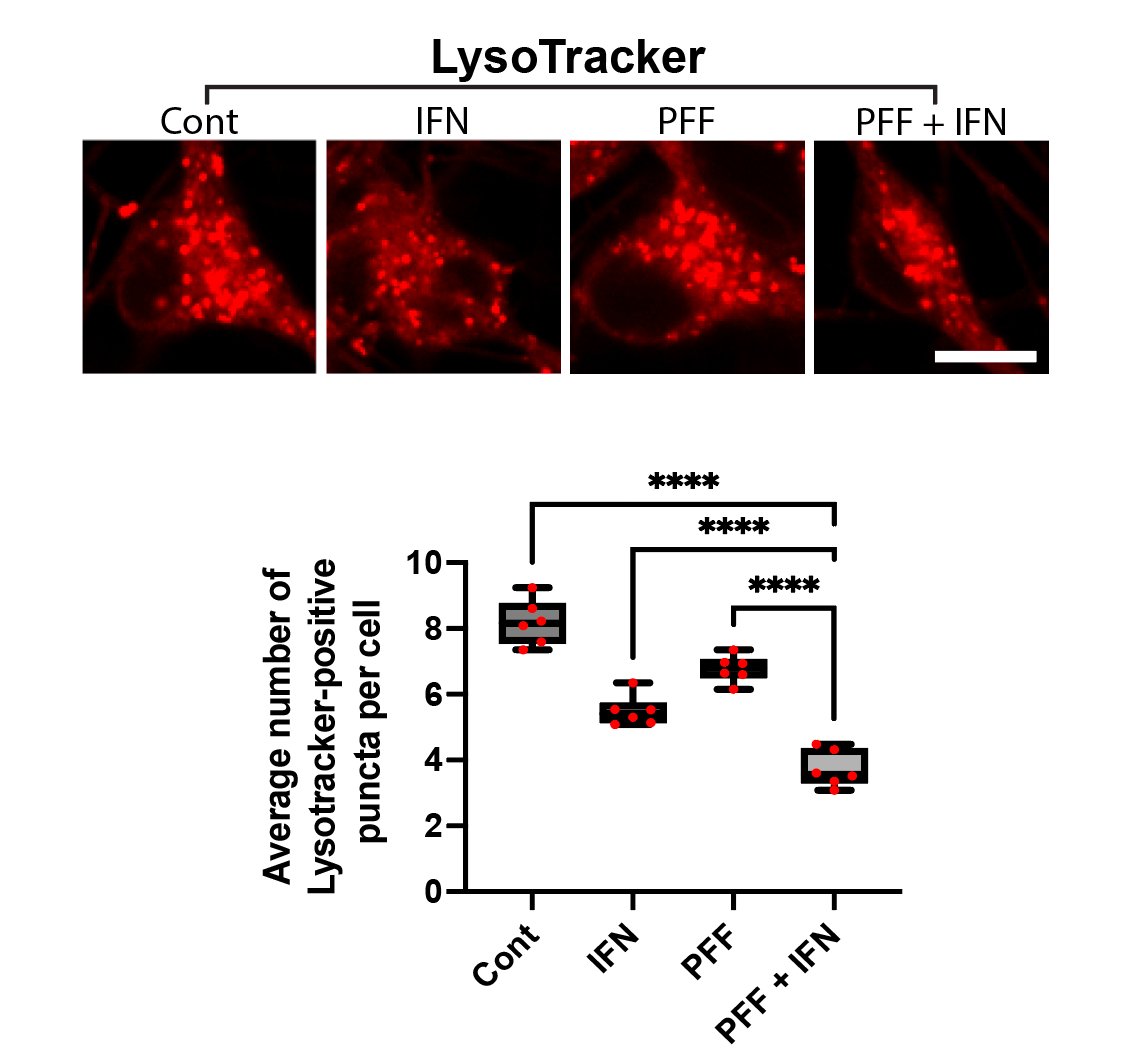
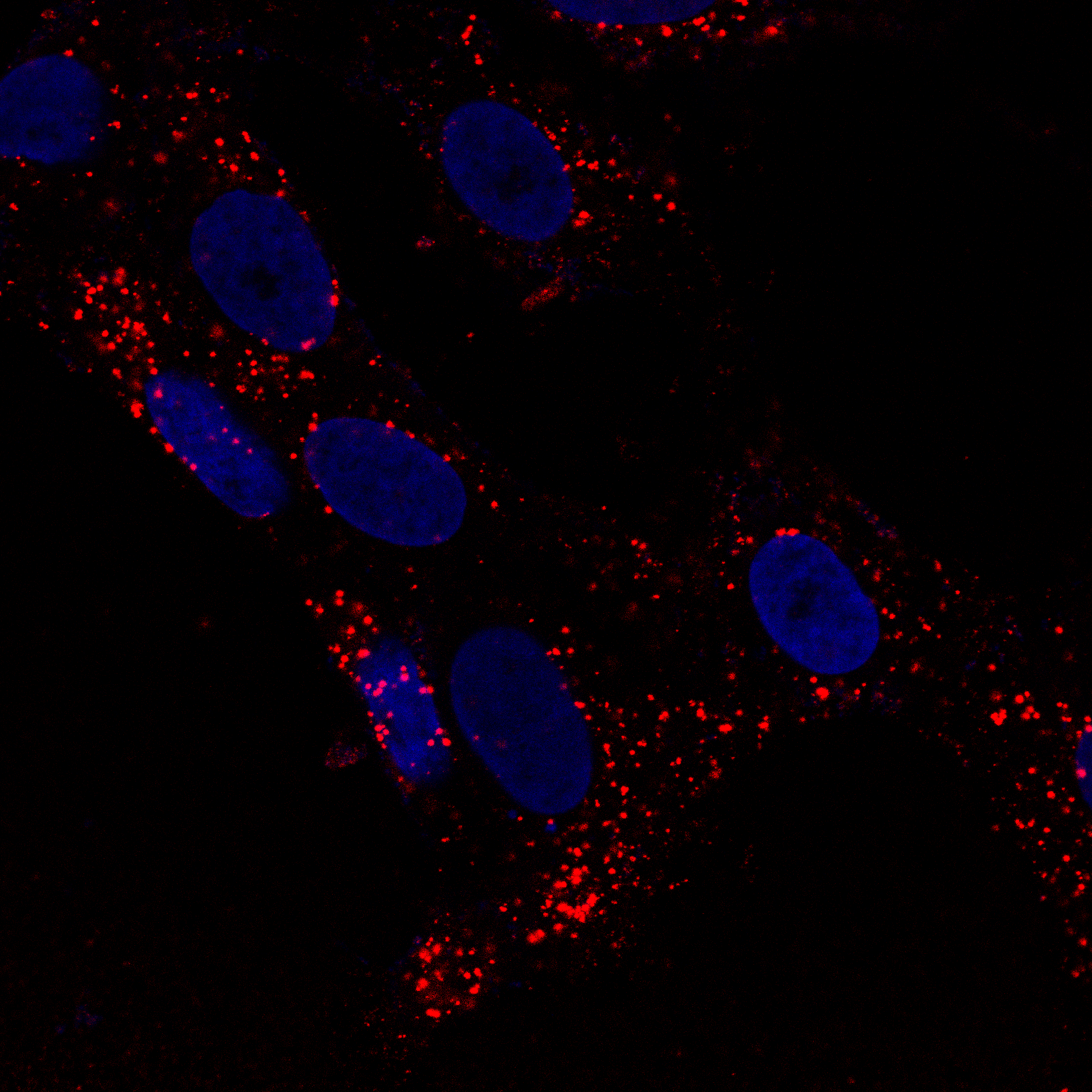
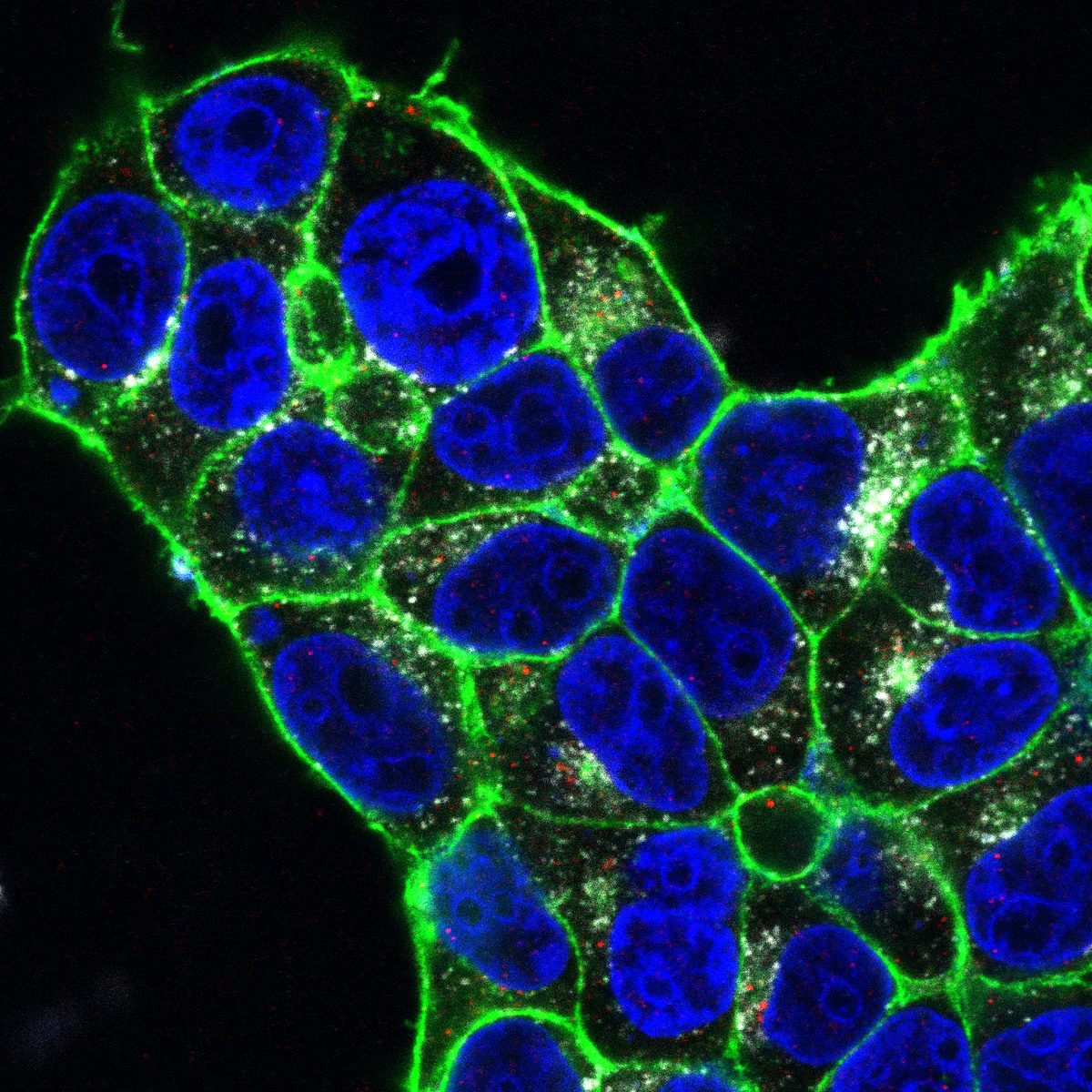
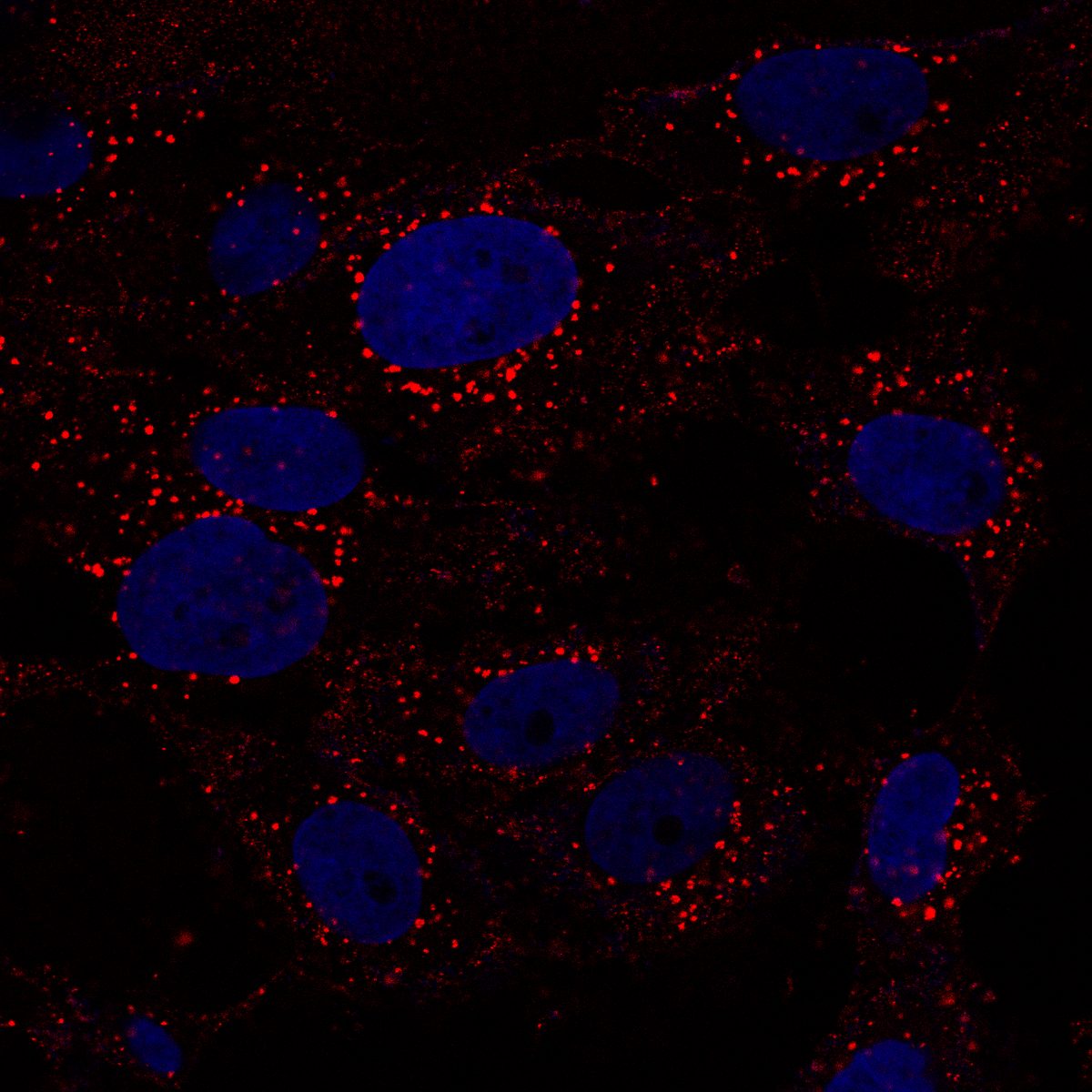
I track mitochondrial clearance, Parkin translocation, lysosomal pH, and organelle fusion in real time using live-cell confocal microscopy. Assays include LysoSensor/LysoTracker staining for lysosomal integrity, MitoTracker for mitochondrial morphology, and calcium imaging for neuronal activity. GBA KO neurons display unique comet-like lysosomal morphology only visible in live recordings.
3 images · Live-Cell Mitophagy & Lysosomal DynamicsOpen in gallery →
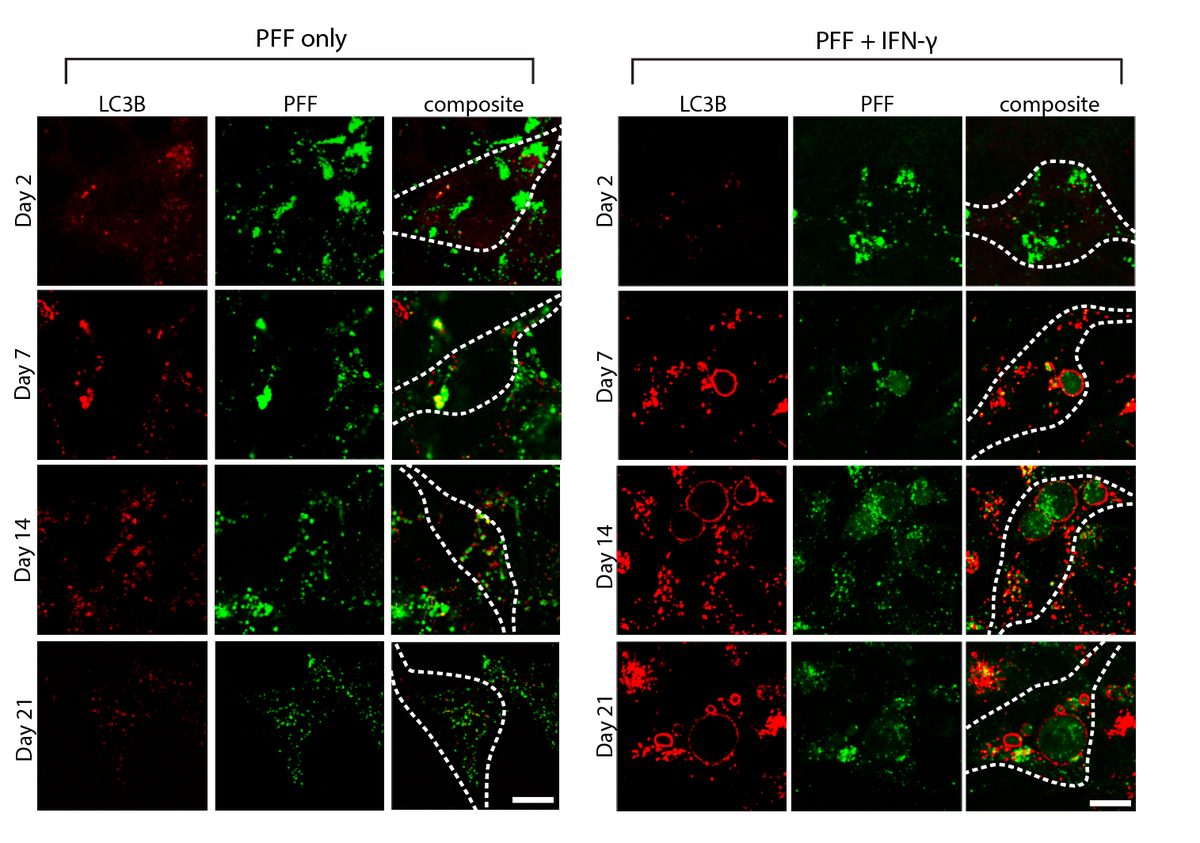
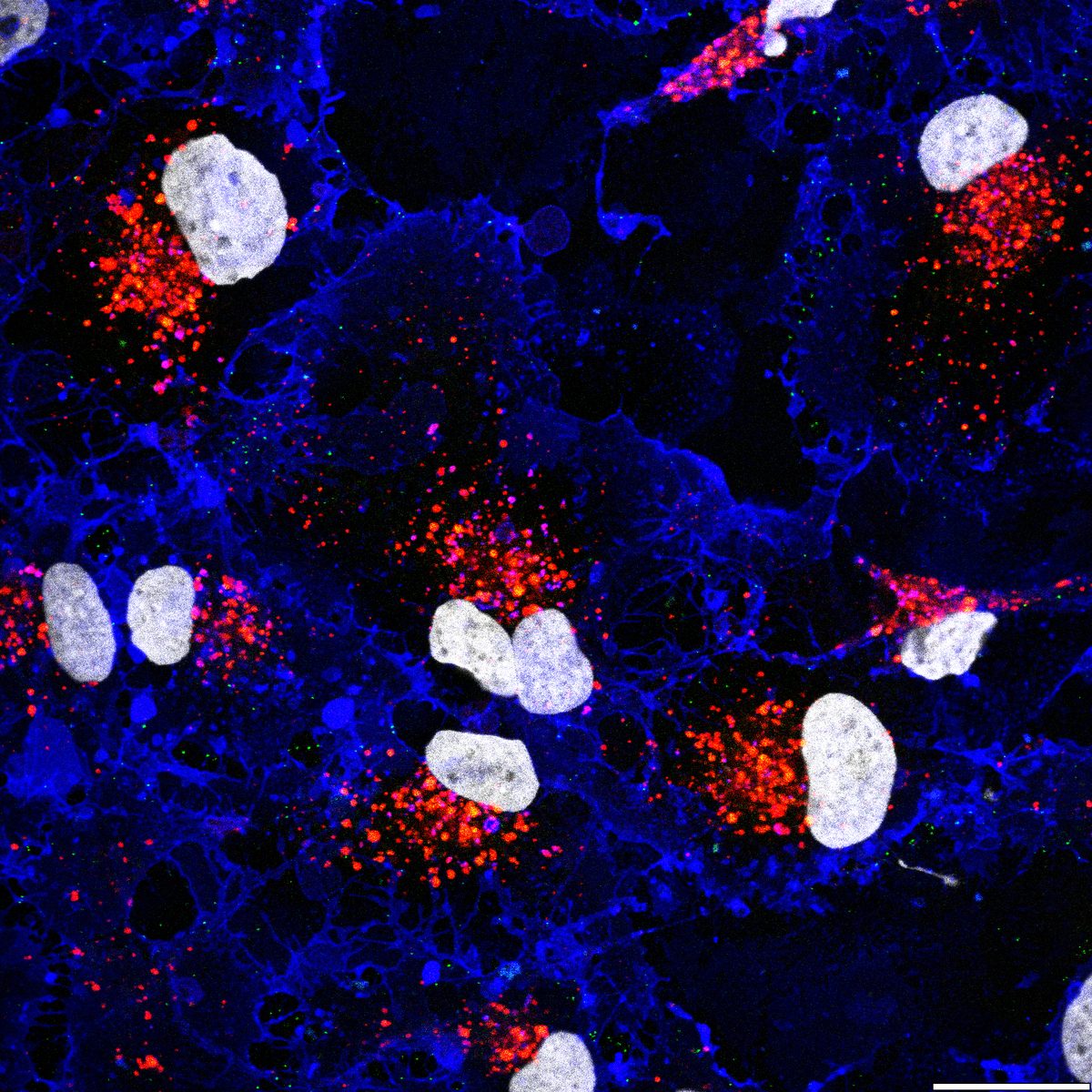
Autophagy flux monitoring via LC3B (green) and PFF (red) co-staining over 21 days. PFF-only treatment shows gradual LC3B+ autophagosome accumulation, while PFF + IFN-γ dual-hit dramatically accelerates LC3B dysfunction and PFF accumulation — reflecting impaired autophagic clearance of fibrils under inflammatory conditions. This time-resolved assay demonstrates progressive pathway collapse. Bayati et al., Nature Neuroscience 2024.
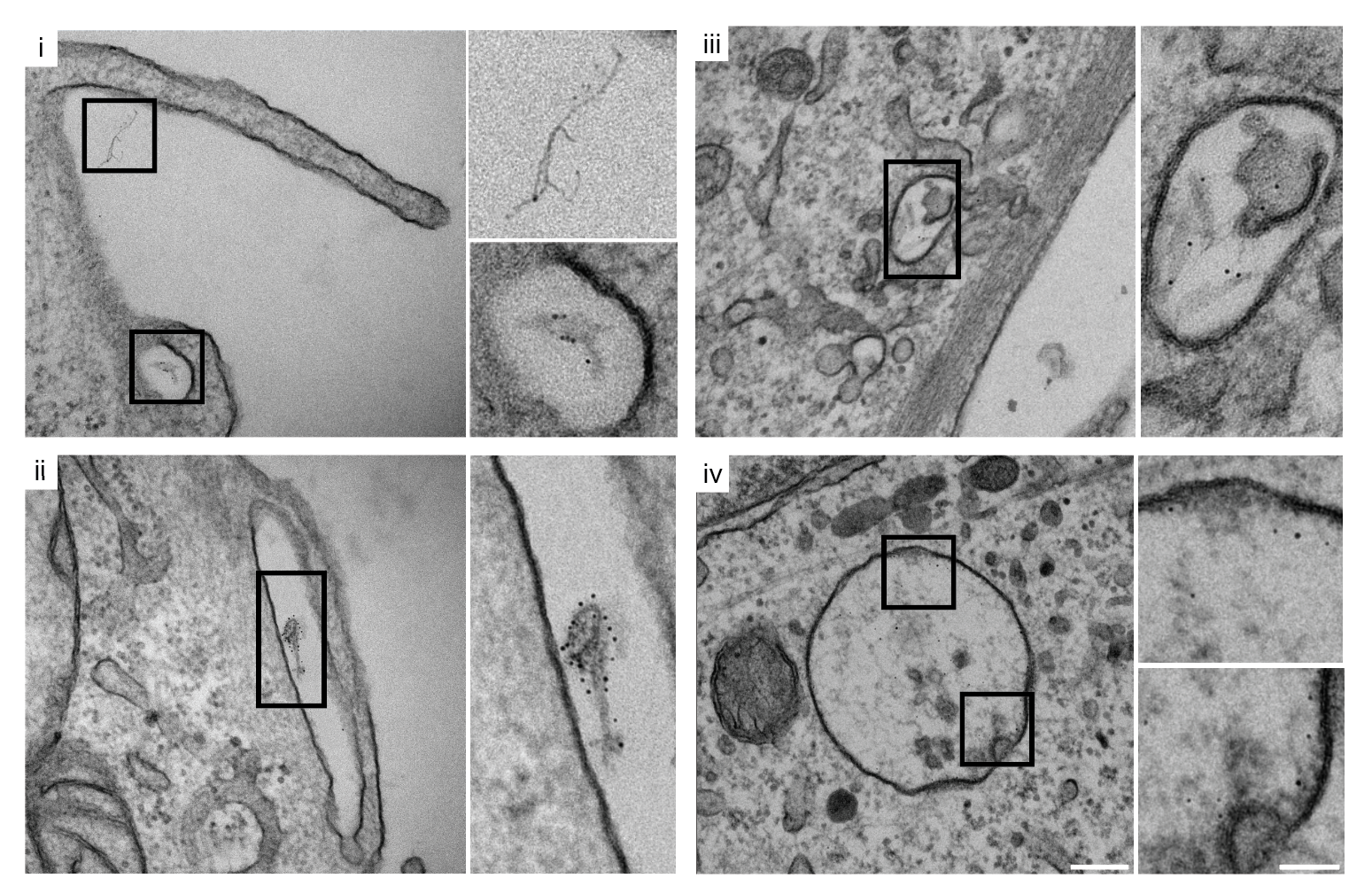
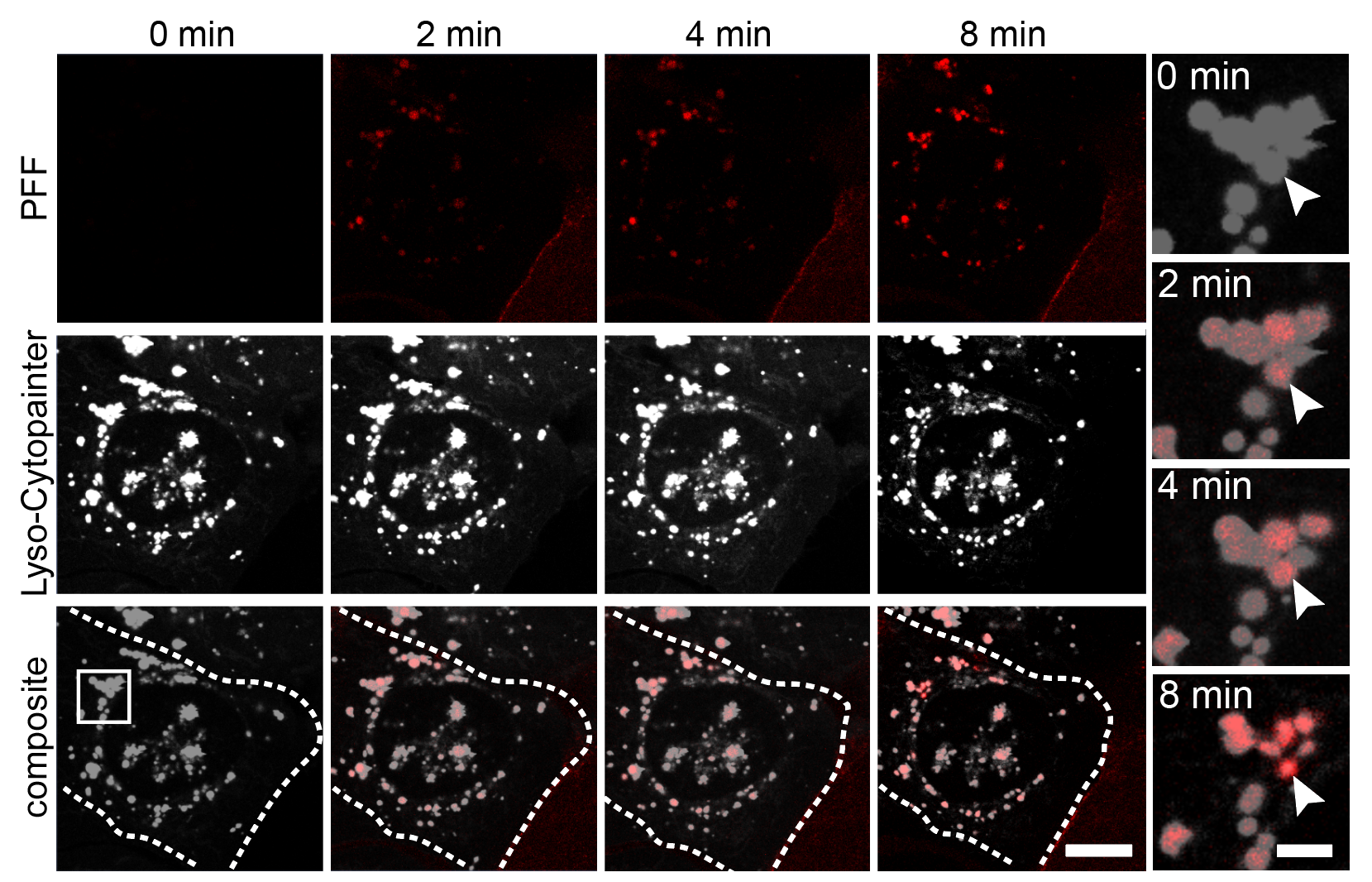
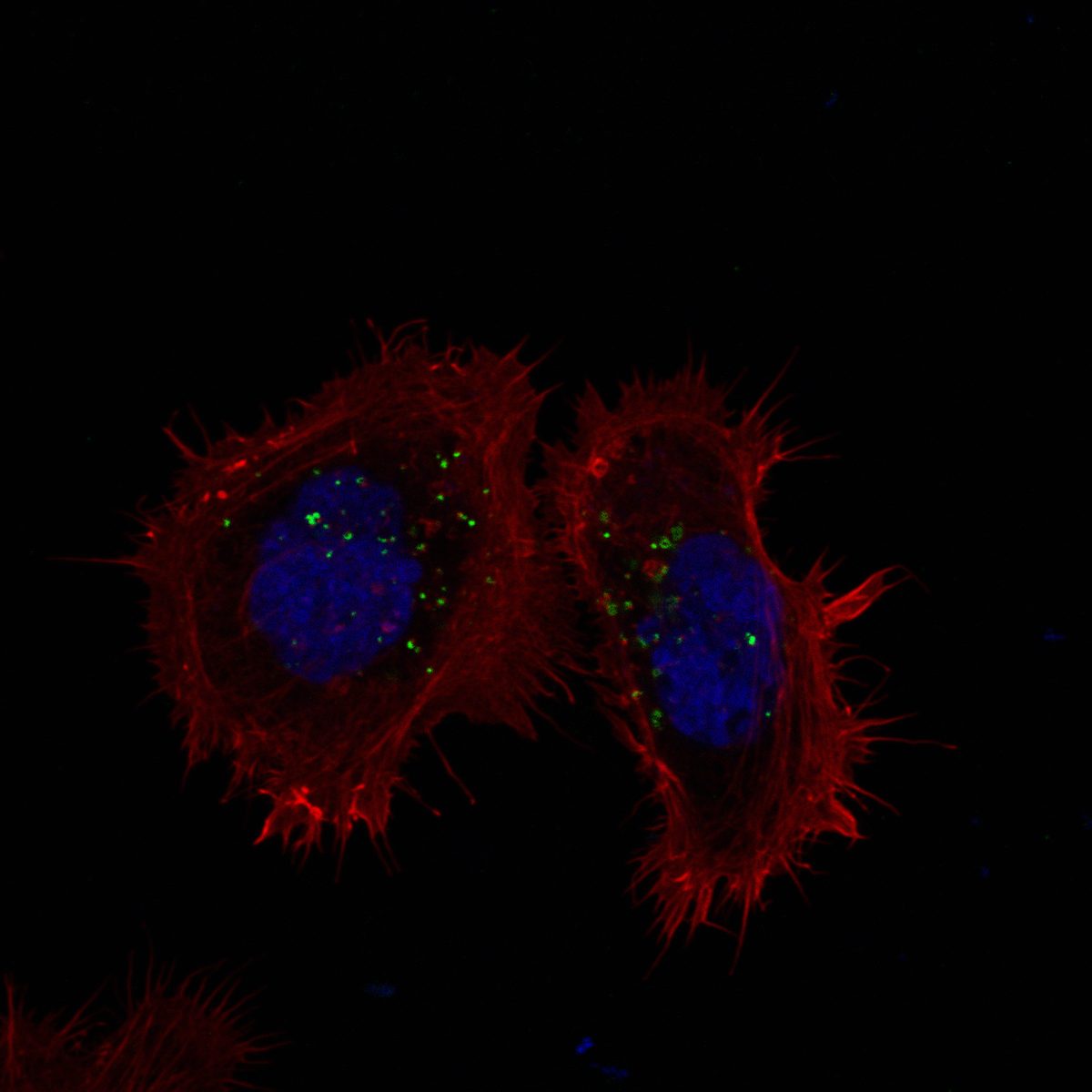
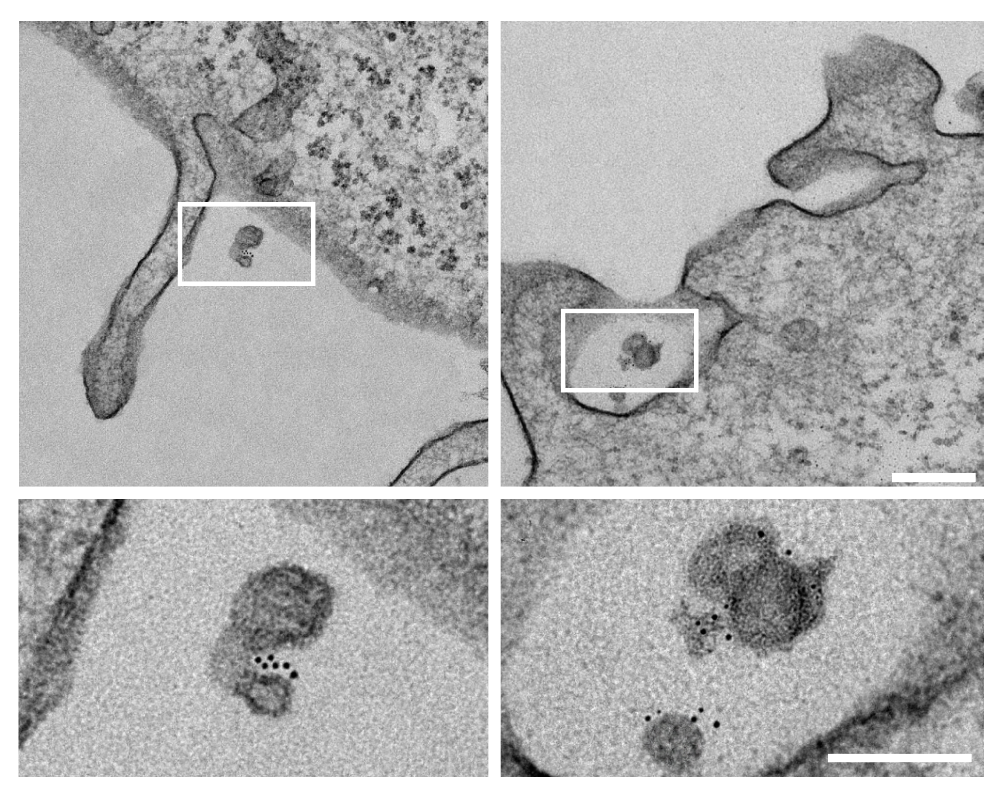
I characterize receptor engagement, uptake kinetics, and intracellular trafficking using canonical endocytosis assays (EGF, transferrin) alongside disease-relevant ligands (α-synuclein, Spike–ACE2). Fibrils bypassed early endosomes and reached lysosomes within two minutes. EM-based trafficking with nanogold labeling provided ultrastructural evidence of macropinocytic uptake. Pharmacological inhibitors (EIPA, Latrunculin B) confirmed pathway specificity.
For SARS-CoV-2, I demonstrated that viral spike protein attaches to ACE2 and is internalized through clathrin-mediated endocytosis — the first paper to show this mechanism.
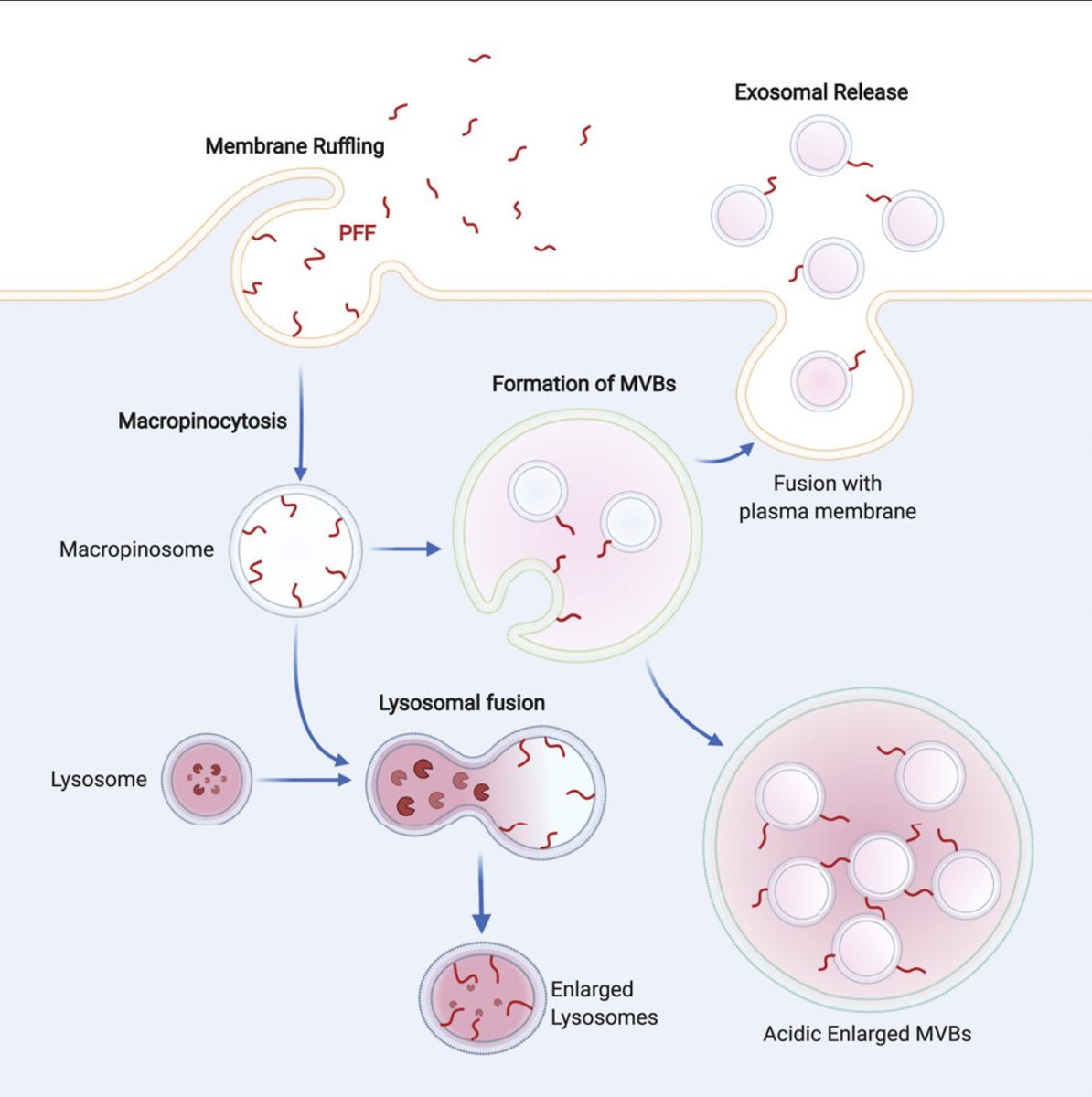
Model of prion-like α-synuclein propagation: PFFs enter neurons via macropinocytosis, traffic to lysosomes via the endosomal pathway, and can escape via multivesicular body (MVB) formation and exosomal release — enabling cell-to-cell disease spread. This pathway is a key therapeutic target, as blocking endocytic entry or enhancing lysosomal degradation could halt disease progression. Based on findings from Bayati et al., JBC 2021.
7 images · Endocytosis & Intracellular TraffickingOpen in gallery →
I design and execute multicolor flow cytometry panels for surface target engagement, cell-state markers, intracellular signaling readouts, and activation-state profiling. Applications include cell-surface binding assays to evaluate antibody binding/competition across targets, characterization of differentiated iPSC populations, and immunophenotyping of primary immune cells. I use FlowJo for analysis, with gating/QC and rank-order reporting.
I perform PBMC isolation, culture/activation, and cytokine stimulation to generate ex vivo functional readouts. This includes immune-target co-culture assays, T-cell functional assays, and primary human immune cell workflows. I integrate spectral and conventional flow cytometry immunophenotyping with cytokine quantification (ELISA/MSD/Luminex) to guide follow-up prioritization. I also model cytokine-driven neuroinflammation using controlled exposure to IFN-γ, TNF-α, and IL-1β.
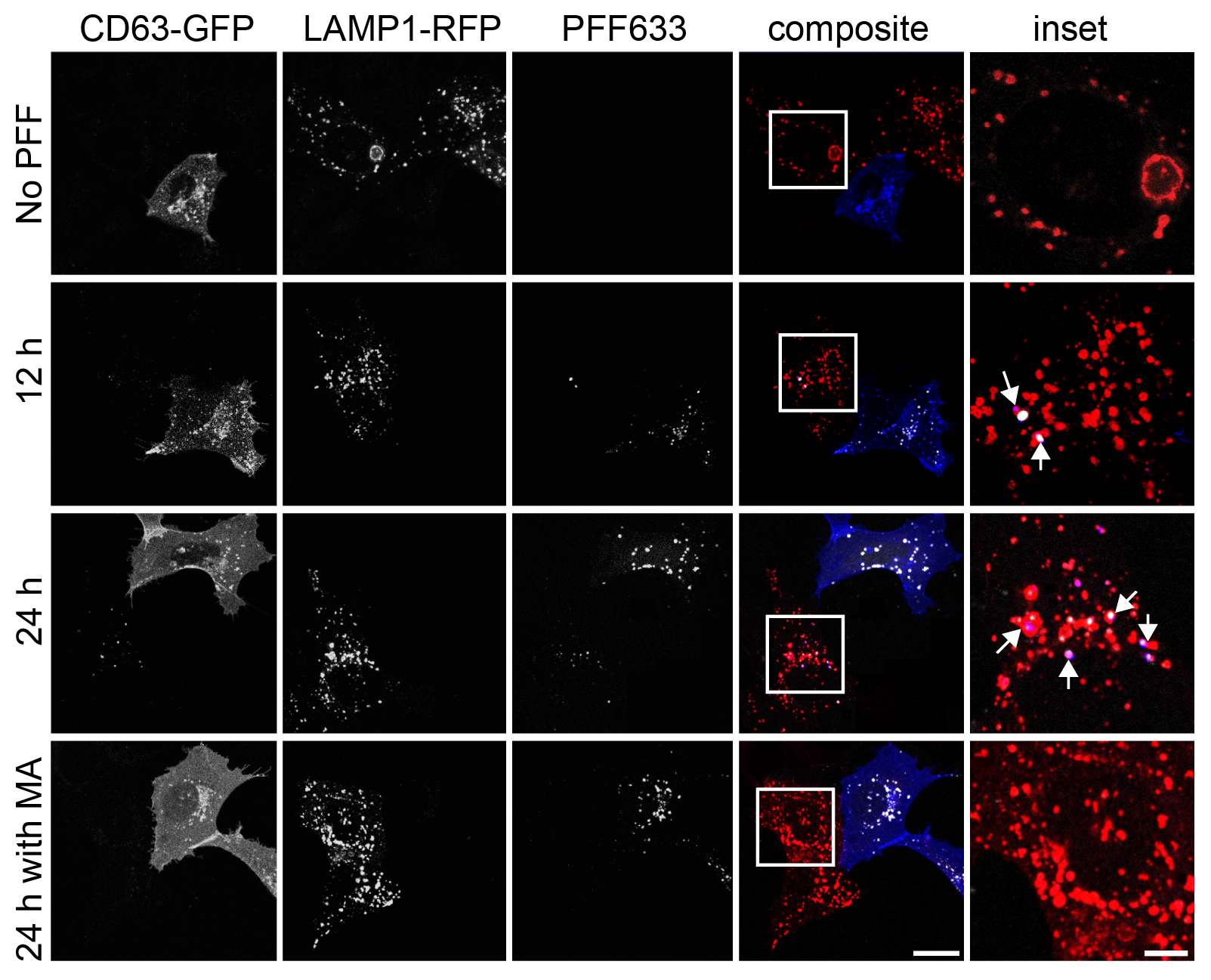
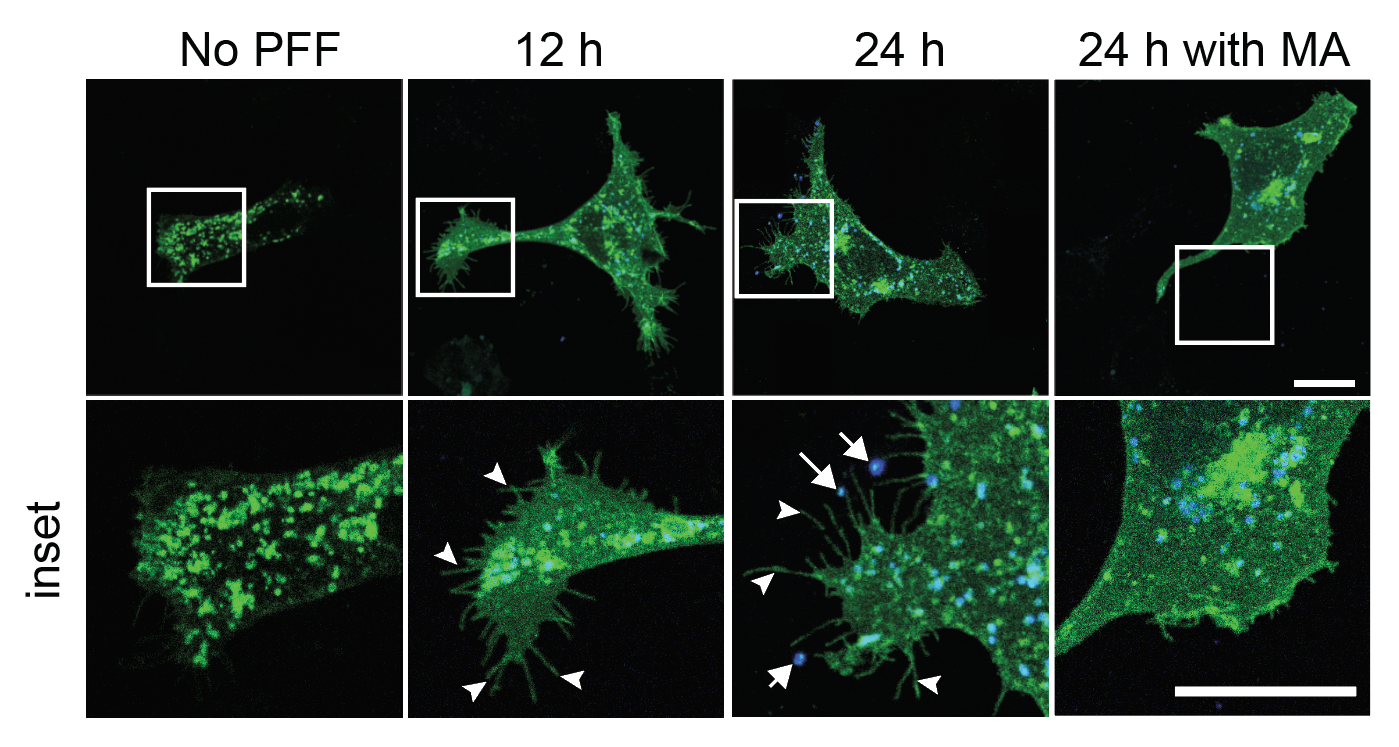
I demonstrated that α-synuclein fibrils are packaged into exosomes and transferred to naïve cells via CD63/CD9 reporter systems. Gold-labeled PFF visualization by EM showed exosomes decorated with fibrils contacting recipient cell membranes. Exosome isolation from conditioned media, transfer assays, and characterization by confocal, immunoblotting, and TEM established direct evidence for prion-like propagation through extracellular vesicles.
3 images · Exosome-Mediated TransferOpen in gallery →
I develop and execute plate-based assays in 96- and 384-well formats including CellTiter-Glo viability, FLIPR calcium flux and membrane potential (BMG FLUOstar Omega), high-content imaging (Opera Phenix, Incucyte), AlphaLISA, TR-FRET, HTRF, and BRET-based readouts. Cell painting dyes (LysoTracker, Hoechst, MitoTracker, Cell Mask) enable screening-ready phenotypic assays for organelle state, proteostasis, and cell health quantification.
I run kinetic functional readouts using FLIPR assays on BMG FLUOstar Omega to quantify calcium flux, membrane potential, and ion channel activity in plate formats supporting screening and profiling. Incucyte live-cell analysis provides real-time confluency, proliferation, and cytotoxicity monitoring.
I build immune-mediated T-cell killing / immune-target co-culture assays and quantify immune-driven target-cell loss and cytokine signaling using flow cytometry and immunoassay readouts. These assays support evaluation of checkpoint biology and mechanism-of-action for biologic candidates.
Comprehensive descriptions of key experimental techniques, assay platforms, and analytical methods referenced throughout this page.
I measure autophagic flux using LC3-II/LC3-I ratio (Western blot), LC3-GFP puncta quantification (high-content imaging), and p62/SQSTM1 degradation kinetics. For mitophagy specifically, I use PINK1/Parkin-dependent mitochondrial clearance assays with MitoTracker/LysoTracker colocalization, mt-Keima pH-sensitive reporter imaging, and COXII degradation by Western blot. These assays are central to our Parkinson disease drug discovery program targeting lysosomal-autophagic rescue.
I perform multi-channel immunocytochemistry (ICC) with up to 5 fluorescent channels for cell identity, protein localization, and co-expression analysis. Protocols include standard paraformaldehyde fixation, permeabilization (Triton X-100 or saponin for membrane vs intracellular targets), and blocking optimization. I routinely stain for neuronal markers (TH, MAP2, NeuN, GFAP), pluripotency markers (OCT4, SOX2, NANOG), and disease markers (phospho-α-synuclein, ubiquitin, LAMP1/2). Imaging is performed on confocal (Leica SP8) or high-content (Opera Phenix) platforms.