ESC
Molecular Biology

Genetics & Molecular Biology

I apply a comprehensive range of genetic and molecular techniques — from CRISPR editing and RNA interference to molecular cloning and viral transduction — to probe protein trafficking, organelle stress, and cellular quality control.

CRISPR/Cas9 siRNA / shRNA / ASO / SSO Molecular Cloning Lentiviral / AAV / Adenoviral Protein Conjugation Lysosomal Biology Western Blot / ELISA / MSD PCR / qPCR / ddPCR
01

CRISPR & Gene Perturbation

I have generated multiple CRISPR-edited iPSC cell lines (Parkin KO, α-synuclein KO, LRRK2 KO, GBA KO) to assess protein function and mimic genetic forms of neurodegenerative diseases. GBA knockout heightened vulnerability to fibril-induced inclusions, whereas α-synuclein knockout abolished pathology entirely. Validation includes PCR, Western blotting, karyotyping, and ICC for pluripotency markers.

iPSC Colony QC & Pluripotency

I maintain rigorous QC across all iPSC lines including morphology assessment, pluripotency marker ICC (Oct4, Sox2, Nanog, TRA-1-60), mycoplasma testing, and karyotype validation. Colony morphology is monitored throughout expansion to ensure undifferentiated state.
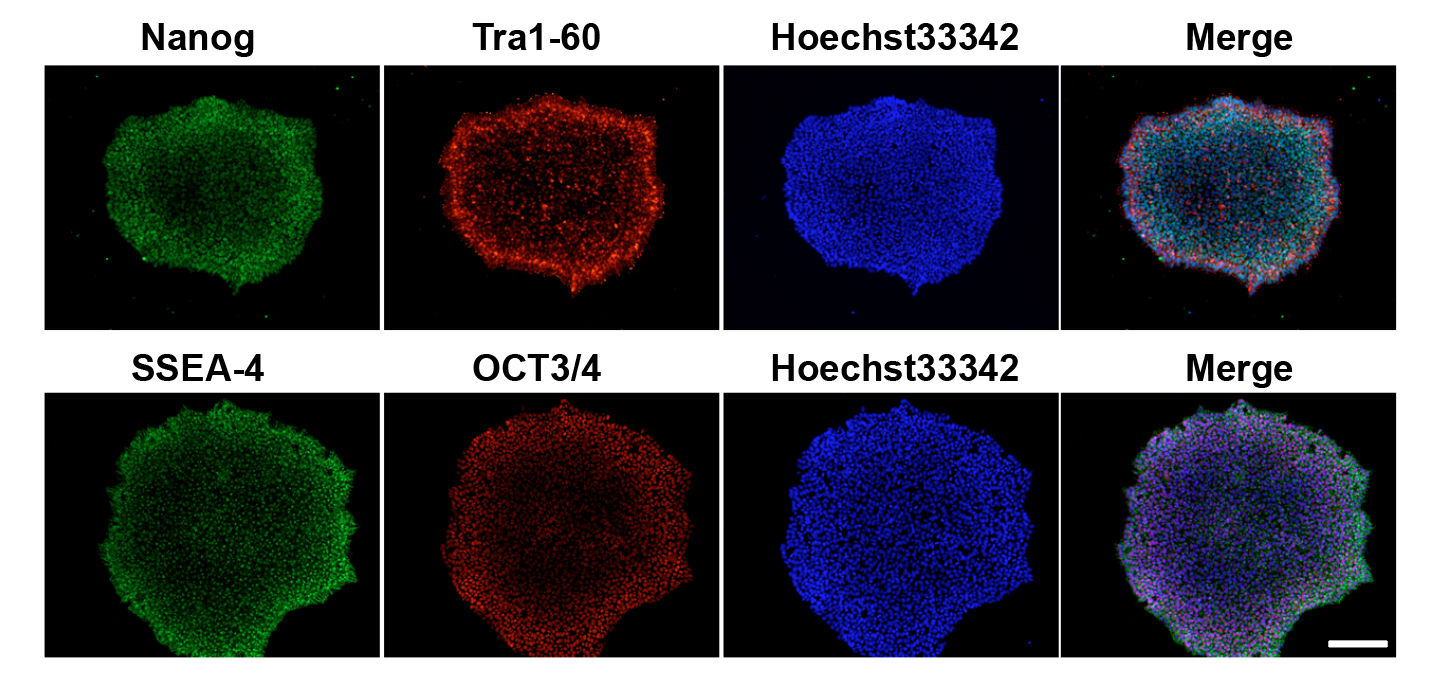
iPSC colony QC: phase contrast morphology, pluripotency ICC staining panels
Quality control imaging of iPSC colonies showing pluripotency marker expression, morphology, and karyotype confirmation.
02

RNA Interference & Oligonucleotide Biology

I design, optimize, and validate siRNA, shRNA, ASO, and SSO-mediated knockdown assays in iPSC-derived neurons and cancer cell lines.

Fig. — CHC Knockdown: shRNA vs siRNA Comparison
Clathrin heavy chain (CHC) mRNA remaining after knockdown by shRNA and siRNA in U2OS cells
RT-qPCR normalized to GAPDH. 72h post-transfection (siRNA) or 7d post-transduction (shRNA). n=3 biological replicates.
Fig. — ASO/SSO-Mediated α-Synuclein Modulation
SNCA mRNA and protein levels in iPSC-derived DA neurons after ASO/SSO treatment (dose-response)
Gymnotic delivery, 7-day treatment. RT-qPCR (mRNA) and Western blot densitometry (protein) normalized to scrambled control.
Delivery methods include gymnotic uptake (media addition), lipid-based transfection, and electroporation/nucleofection. I integrate RT-qPCR, protein-level (Western/ELISA), and functional neuronal readouts to assess potency, durability, specificity, and mechanism-of-action.

I have miniaturized assays into 96/384-well formats with SOP and repeatability metrics for scalable, screening-ready execution, translating RNAi results into clear go/no-go and target-prioritization recommendations for preclinical programs.

03

Molecular Cloning & Construct Design

End-to-end cloning workflows including restriction cloning, Gibson assembly, Golden Gate cloning, PCR/primer design, bacterial transformation, colony screening, plasmid preparation (MiniPrep/MaxiPrep), Sanger sequencing, and endotoxin-free DNA prep. I design constructs for membrane-associated and endolysosomal proteins, with expression verification by flow cytometry and/or immunoassay. Stable cell line generation uses selection markers (Puromycin, G418, Blasticidin) with single-cell cloning and pool evaluation.

04

Viral Transduction & Expression

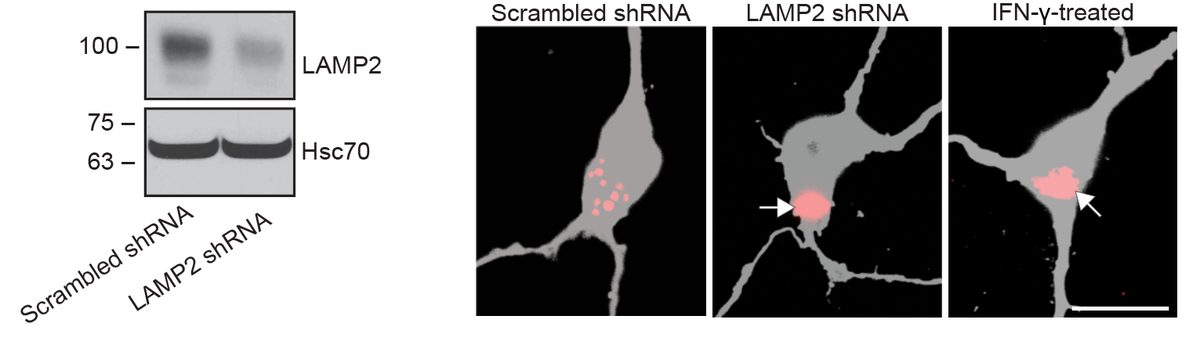
I produce and optimize lentiviral, adenoviral, and AAV/rAAV constructs for transduction in iPSC-derived neurons and mammalian cell lines. Key applications include: (1) lentiviral shRNA knockdown of LAMP2, which I demonstrated is sufficient to drive α-synuclein inclusion formation even without immune challenge — a critical finding from my Nature Neuroscience 2024 paper; (2) adenoviral overexpression of α-synuclein-HA to show that endogenous protein is actively recruited into pathological inclusions; and (3) reporter construct expression for live-cell tracking. I handle full vector design (cassettes, promoters, tags), MOI optimization, titering, and biosafety compliance across BSL-2 workflows.

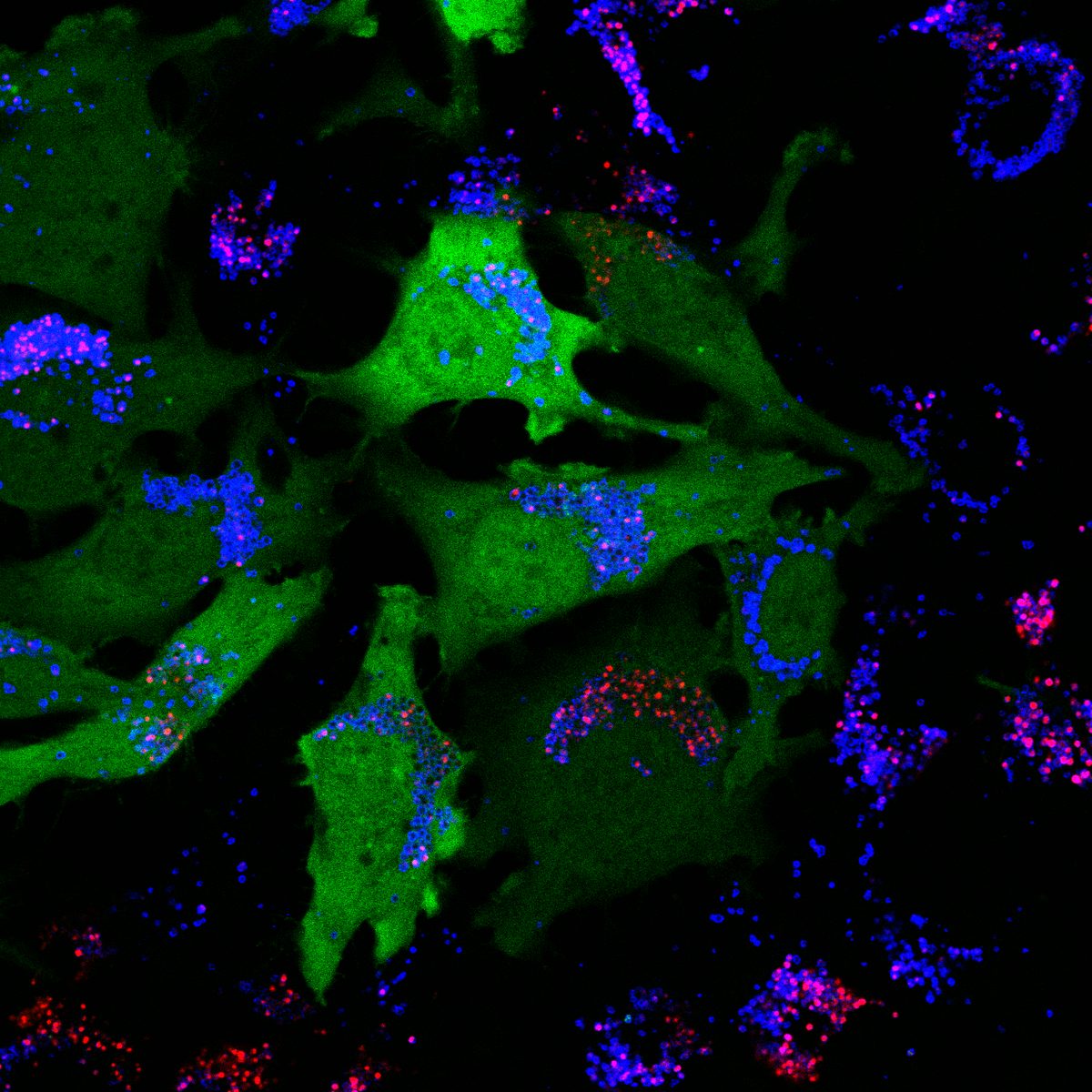
LAMP2 shRNA knockdown: Western blot validation and confocal showing inclusion formation
Confocal immunohistochemistry showing successful LAMP2 shRNA knockdown (reduced LAMP2 signal) in iPSC-derived dopaminergic neurons.

Lentiviral shRNA-mediated LAMP2 knockdown in iPSC-derived DA neurons. Western blot confirms >80% reduction in LAMP2 protein. Confocal shows that LAMP2 loss alone — without immune challenge — is sufficient to induce α-synuclein inclusion formation, establishing lysosomal dysfunction as the critical vulnerability in Lewy body pathogenesis. From Bayati et al., Nature Neuroscience 2024.

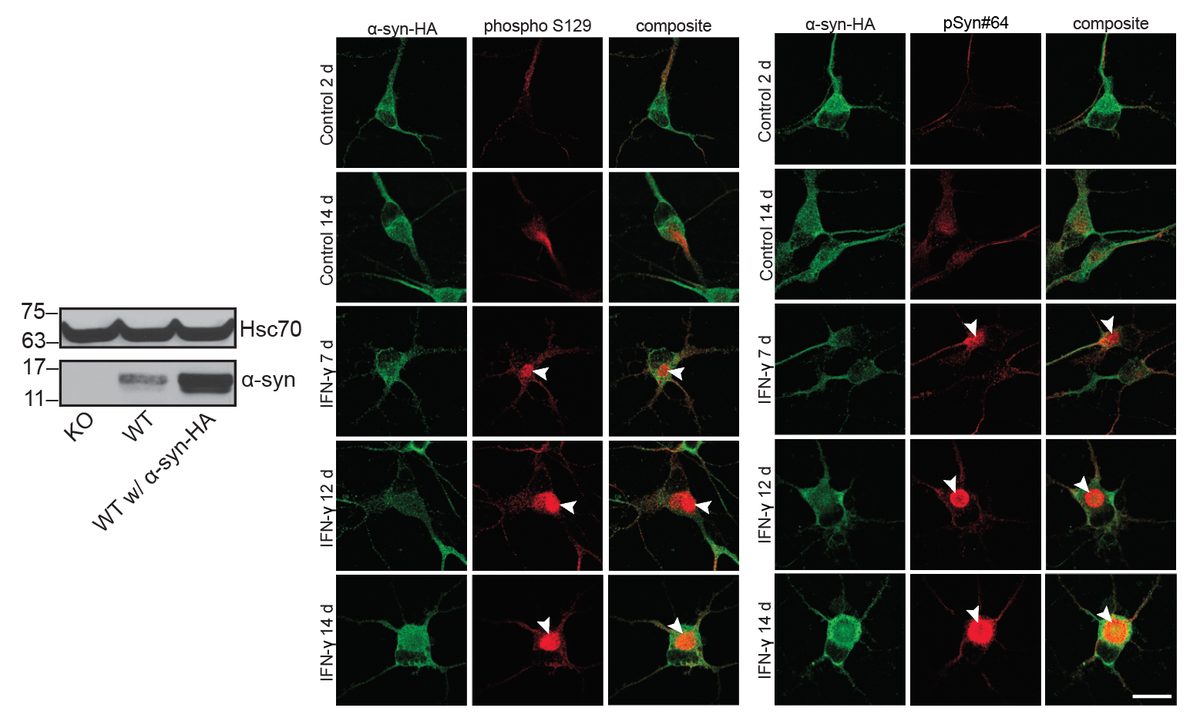
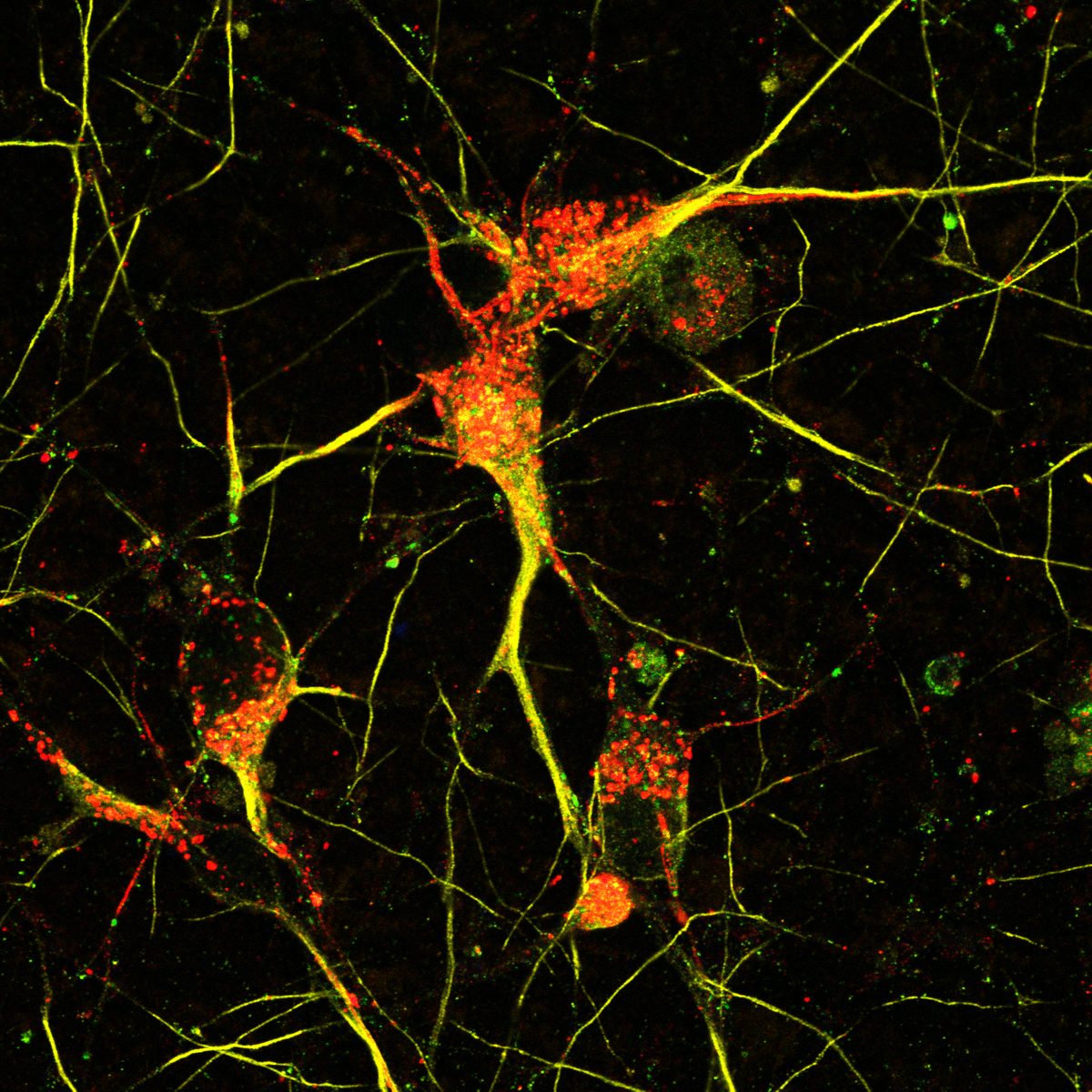
Adenovirus α-synuclein-HA overexpression with pSyn panels and Western blot across treatment conditions
Confocal time-course showing adenoviral α-synuclein-HA overexpression in iPSC neurons ± IFN-γ treatment, revealing IFN-induced accumulation.

Adenoviral overexpression of α-synuclein-HA in iPSC-derived DA neurons. Phospho-synuclein (pSyn S129) accumulation is dramatically enhanced under dual-hit conditions (PFF + IFN-γ), confirming that endogenous α-synuclein is recruited into pathological inclusions. Western blot quantification shows dose-dependent pSyn increase. Bayati et al., Nature Neuroscience 2024.

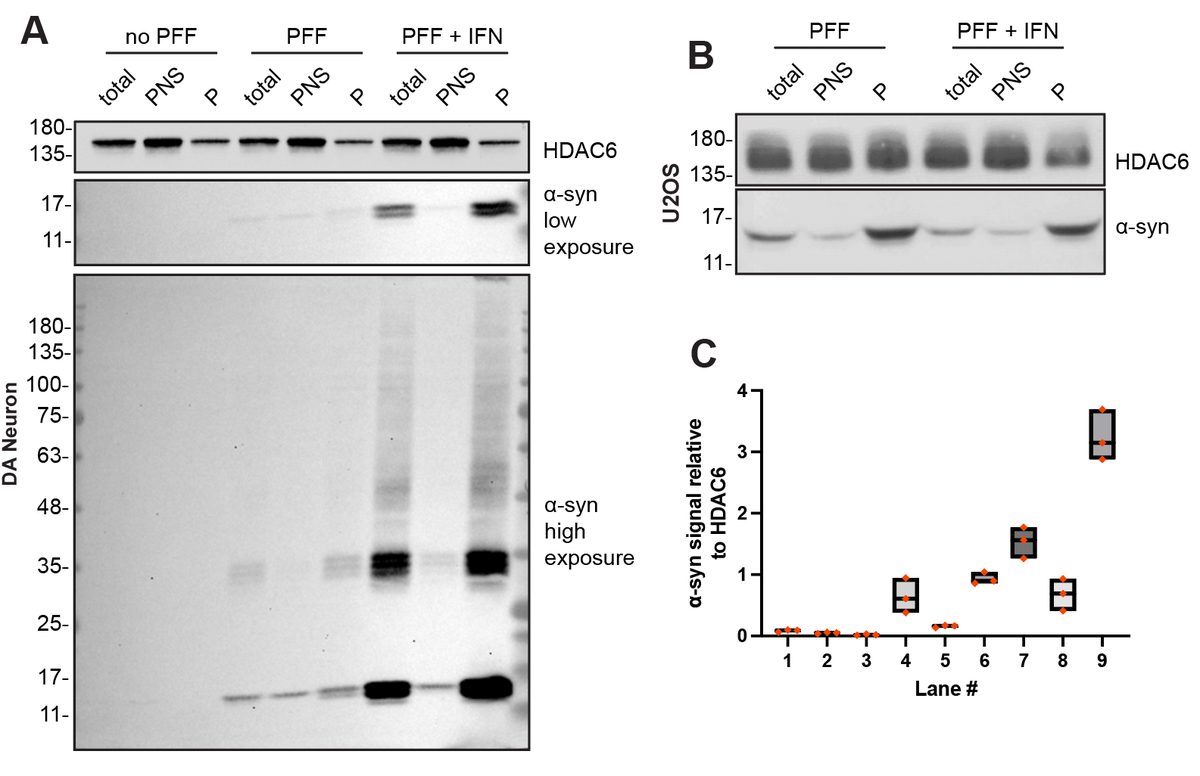
Subcellular fractionation Western blots: HDAC6 and α-synuclein from sequential extraction
Western blot of biochemical fractionation (soluble, membrane, and pellet) showing α-synuclein distribution with and without inclusion formation.

Biochemical fractionation of α-synuclein inclusions from iPSC-derived DA neurons. Sequential extraction (Triton-soluble → SDS-soluble → pellet) reveals enrichment of α-synuclein and HDAC6 (an aggresome marker) in the insoluble pellet fraction under dual-hit conditions, confirming the formation of detergent-resistant aggregates. Bayati et al., Nature Neuroscience 2024.

05

Lysosomal Biology & Protein Biochemistry

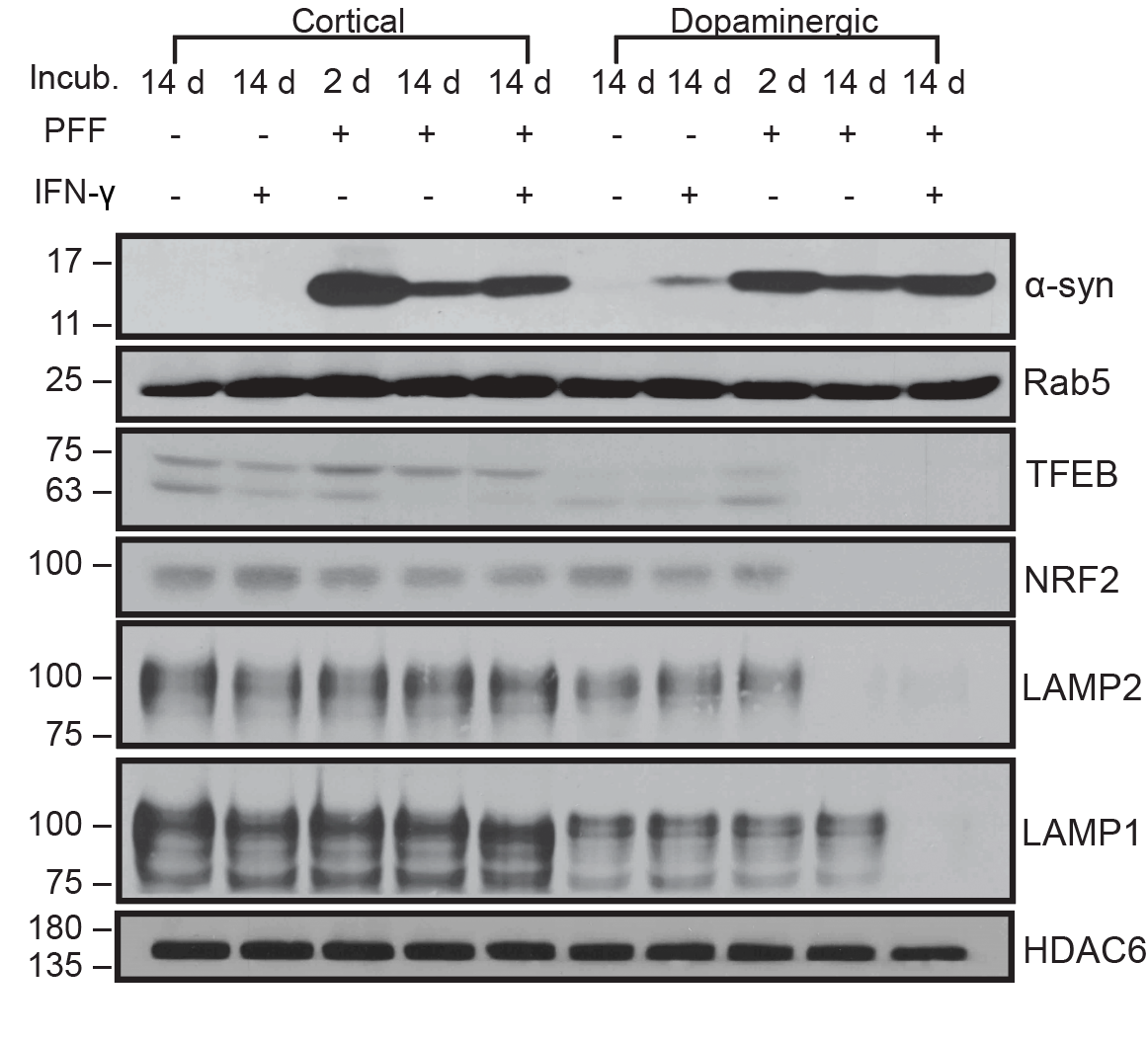
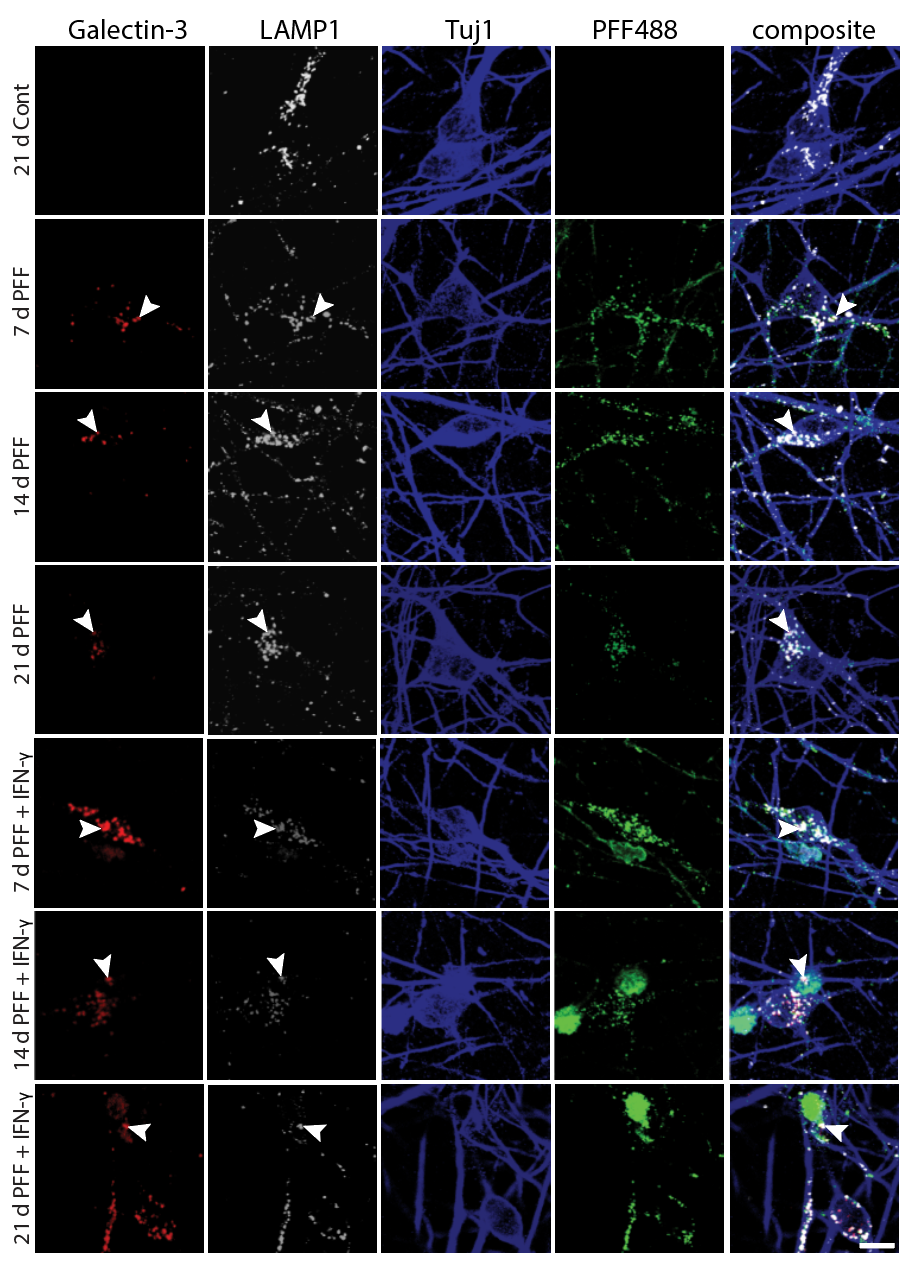
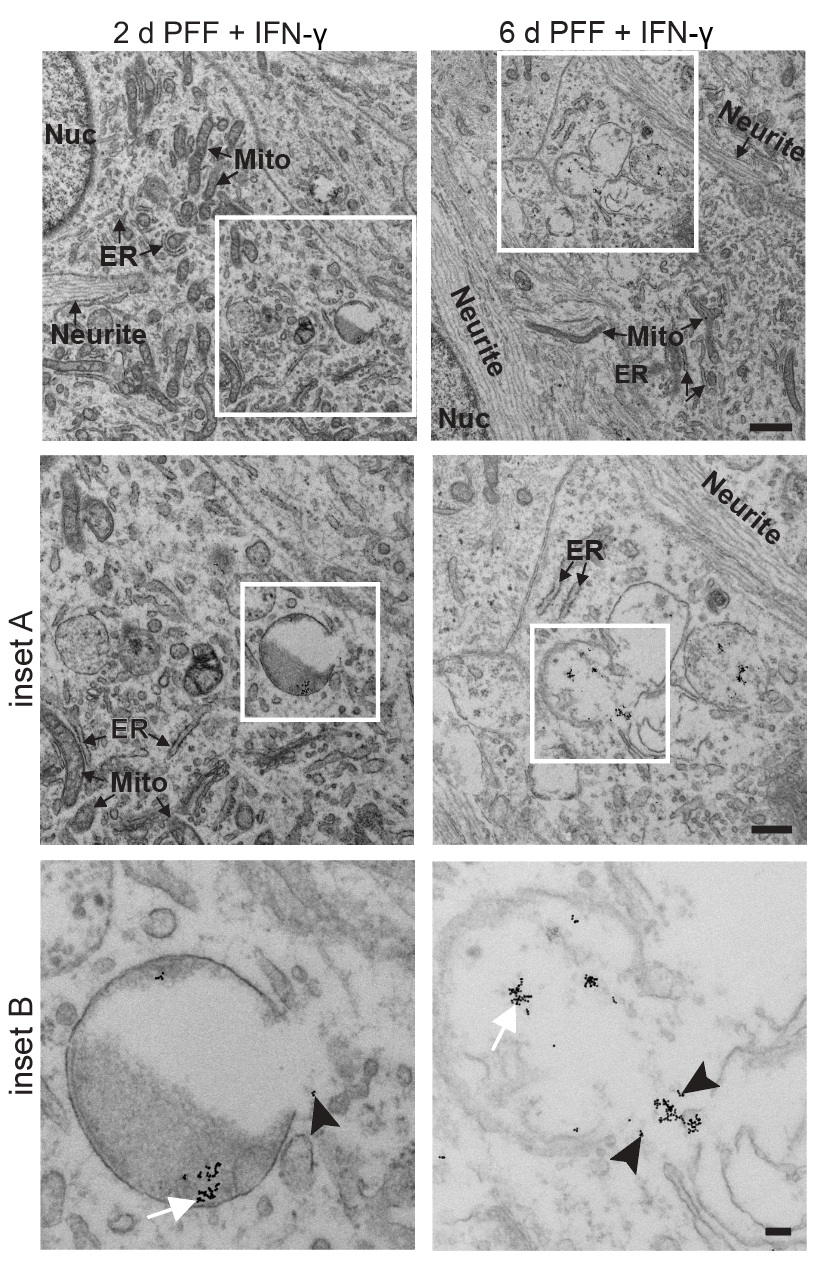
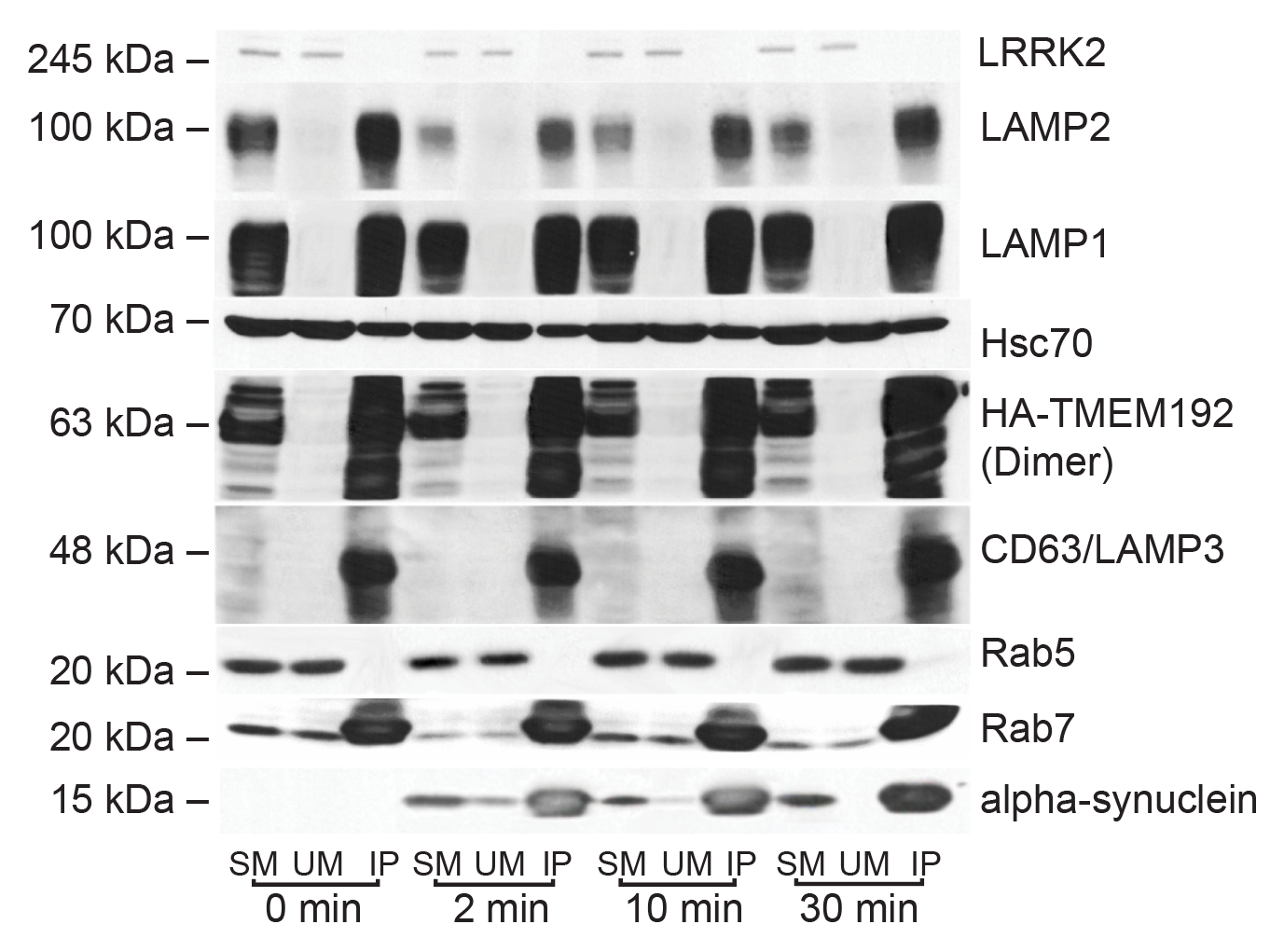
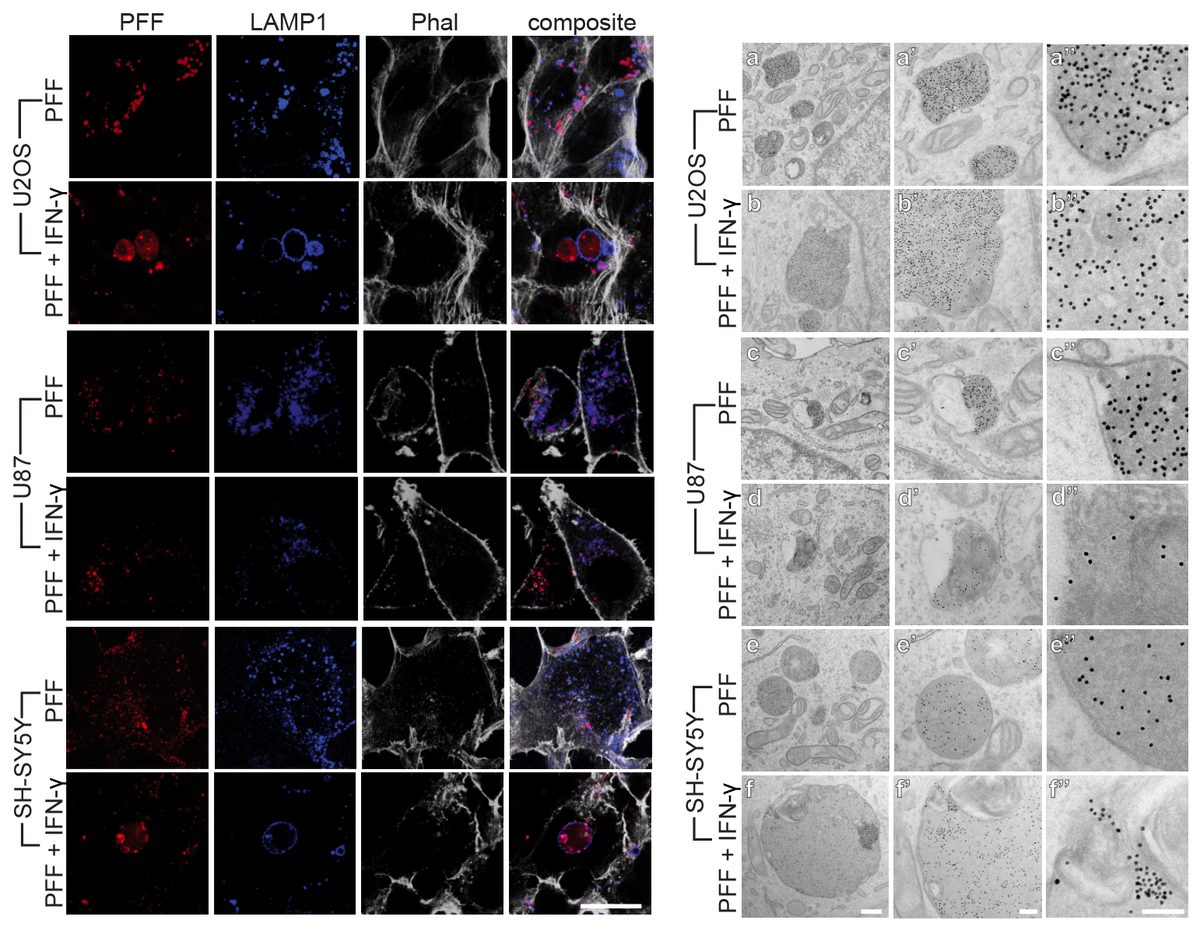
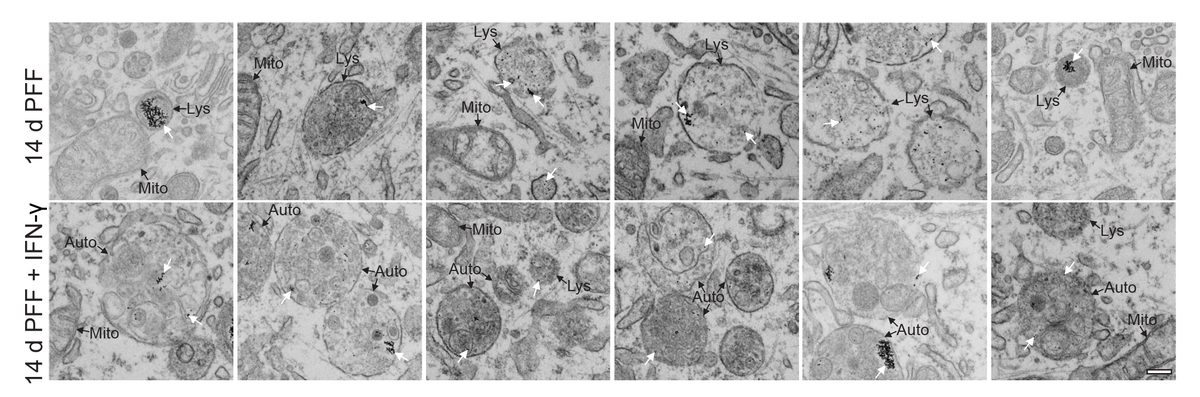
My work on lysosomal biology spans from organelle-level mechanistic studies to biochemical characterization. I showed that IFN-γ specifically downregulates LAMP1, LAMP2, TFEB, and NRF2 in DA neurons — but not cortical neurons — creating a selective vulnerability window for Lewy body formation (Nature Neuroscience 2024). I use galectin-3 as a reporter for lysosomal membrane permeabilization, revealing that fibrils rupture lysosomes and escape into the cytoplasm. My Lyso-IP approach (HA-tagged TMEM192-RFP + magnetic bead immunoprecipitation) confirmed PFF arrival at lysosomes within 2 minutes of uptake.

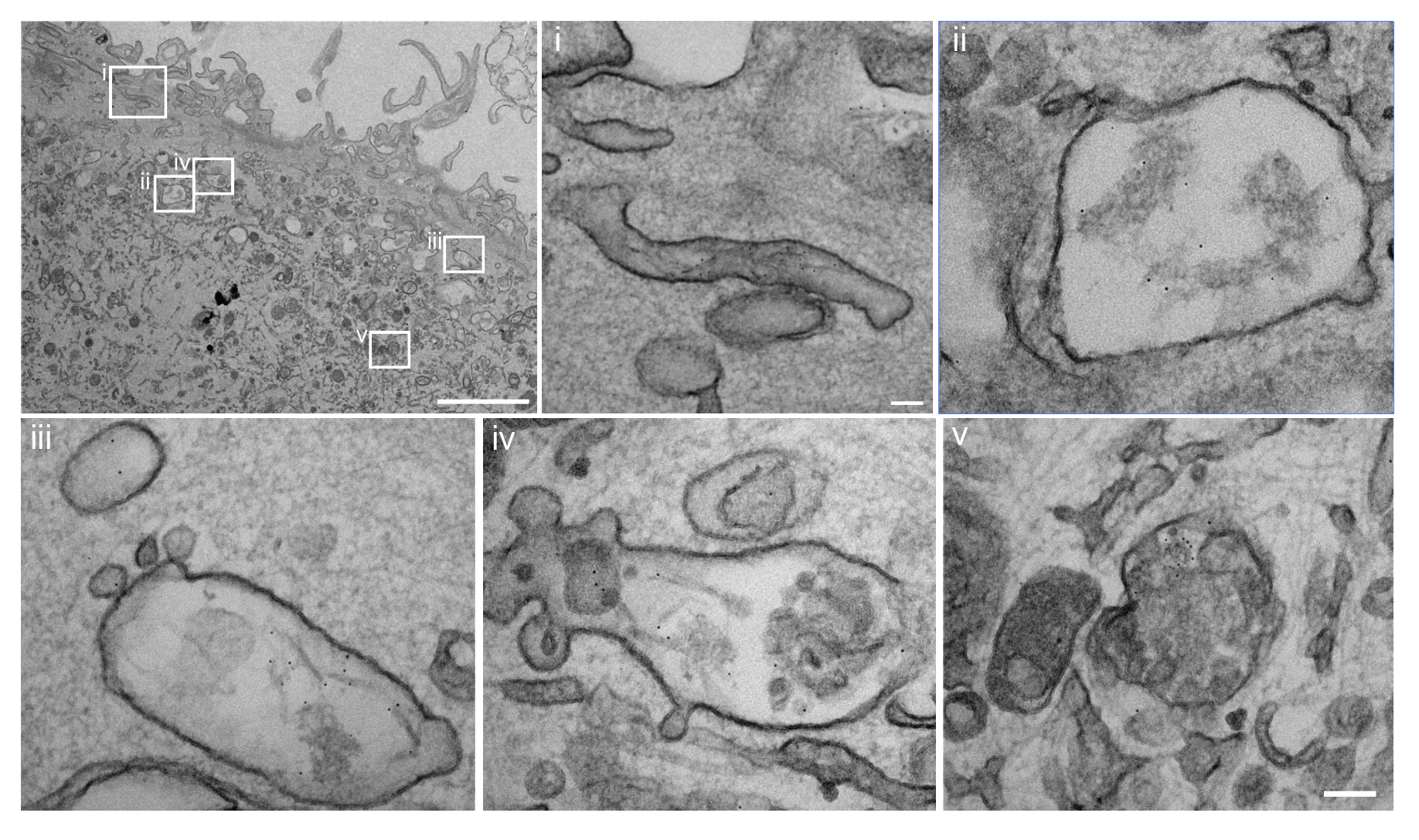
For protein biochemistry, I perform recombinant α-synuclein purification (Ni-NTA affinity), preformed fibril (PFF) generation (37°C shaking, 5 days, sonication), size exclusion chromatography (SEC), and DLS particle sizing. I developed a custom nanogold-PFF conjugation protocol — published in STAR Protocols (2023) as first author — enabling direct EM visualization of fibril trafficking without relying on antibody specificity.

Fig. — SEC: α-Synuclein Purification Profile
Size exclusion chromatography of recombinant α-synuclein — monomer, oligomer, and fibril fractions
Superdex 200 10/300 GL column. UV absorbance at 280 nm.
Fig. — DLS: Particle Size Distribution
Dynamic light scattering of α-synuclein monomer vs fibril preparations
Z-average diameter. Monomer ~3 nm, fibrils ~180 nm with polydispersity.